
Signs It’s Time to Replace Your Old Oil Boiler
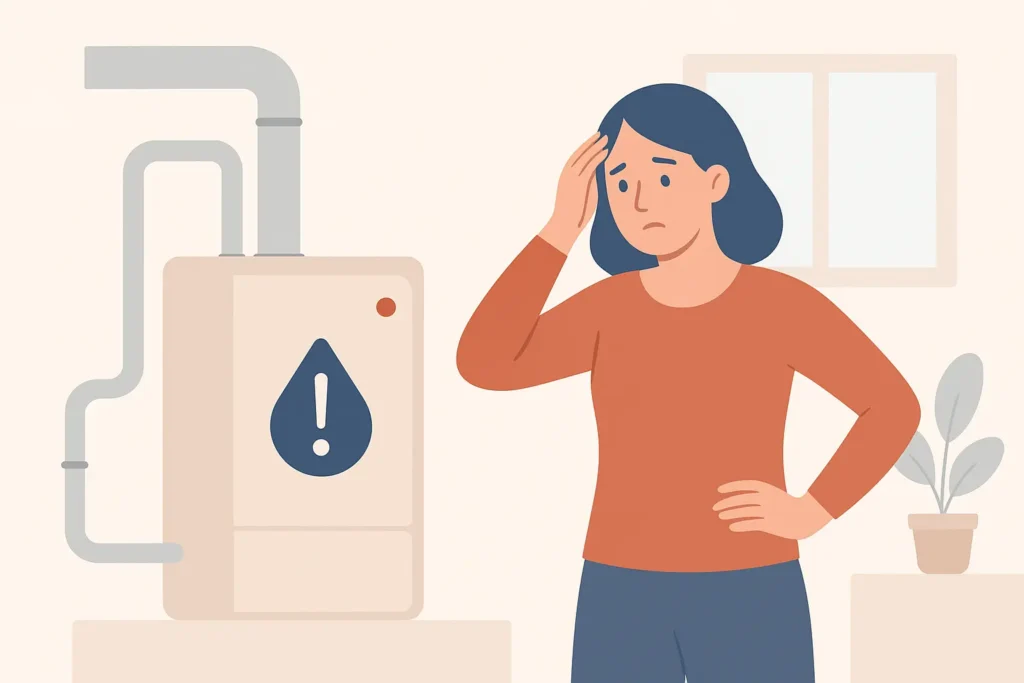
If you live in a rural property, there’s a good chance your heating still runs on oil. I’ve worked in plenty of farmhouses, cottages and older homes where the boiler’s been quietly doing its thing for 20 years or more. The trouble is, boilers rarely fail overnight without warning. There are usually signs along the way. Knowing when to seriously think about oil boiler replacement can save you money, stress and a freezing cold weekend while you wait for parts. Here’s what I tell homeowners when they ask whether it’s time to let the old faithful finally retire. Common Signs Your Oil Boiler Needs Replacing Your boiler is over 15 to 20 years old Age on its own isn’t everything, but it’s a strong starting point. Most oil boilers have a lifespan of around 15 to 20 years if looked after properly. If yours is pushing past that and you’ve started needing more frequent repairs, efficiency will almost certainly have dropped away. Older boilers were built solidly, but they simply weren’t designed to burn fuel as cleanly or efficiently as modern condensing models. Your heating bills keep creeping up A steady rise in oil usage is one of the clearest warning signs. I often hear, “We’re filling the tank more often but we’re not any warmer.” That’s usually down to a tired boiler struggling to convert fuel into usable heat. Even if it’s still running, worn components and outdated design mean you’re burning more oil to achieve the same result. With oil prices fluctuating, inefficiency hits hard. Frequent breakdowns or hard-to-find parts If you’ve had to call an engineer out two or three times in a year, it’s worth stepping back and looking at the bigger picture. The odd repair is normal. A pattern is not. On some older models, parts are discontinued or only available reconditioned. I’ve seen homeowners in villages like Ockley waiting days for a specialist component in the middle of winter. At that point, replacement often makes more sense than another patch-up job. Unusual noises, smells or sooting Oil boilers aren’t silent, but you get used to the normal hum. If you start hearing banging, rumbling or excessive vibration, something’s not right. Likewise, any persistent oil smell, visible soot around the casing or repeated lockouts shouldn’t be ignored. These issues can point to poor combustion and that not only affects efficiency but can become a safety concern. Struggling to heat the house properly Older rural properties in places like Newdigate and Rusper often have thick walls and larger rooms. If your boiler can’t keep up and some radiators never quite get hot, it might not just be balancing or sludge. When a boiler loses performance, it can’t deliver consistent heat across the system. You end up with cold spots and a house that never feels fully comfortable. Benefits of Upgrading to a Modern Oil Boiler A lot of people worry that replacement is purely a cost. In reality, there are tangible benefits you’ll notice straight away. Improved efficiency. Modern condensing oil boilers extract far more heat from the same amount of fuel. Lower running costs. Better efficiency means fewer tank fills over the year. Greater reliability. New components, new warranty and no more nursing an ageing system through winter. Quieter operation. Many homeowners comment on how much smoother and quieter the new unit is. Reduced emissions. Cleaner combustion is better for the environment and your flue system. There’s also the peace of mind factor. I’ve seen the relief on customers’ faces after replacing a boiler they’d been worrying about for years. No more listening for odd noises at night or hoping it’ll make it through one more cold snap. If you’re interested in improving overall performance, it can also be worth looking at system upgrades alongside a new boiler. For example, improving controls or addressing sludge issues. Topics like this are covered in the Revive Heating blog where there are practical guides on getting the most from your heating. When to Repair vs Replace: Making the Right Decision This is the question I get asked most: “Is it worth fixing, or are we throwing good money after bad?” As a rough guide, consider replacement if: The boiler is over 15 years old and needs a major component such as a heat exchanger or burner. Annual repair costs are starting to stack up. You’re planning other home improvements and want a reliable heating system to match. A straightforward repair can still be the sensible choice if the boiler is relatively modern and the fault is minor. I’ve advised plenty of customers to repair and carry on because it genuinely was the practical decision. The key is getting an honest assessment. A proper service visit will highlight corrosion, excessive wear and combustion readings that tell us how efficiently it’s running. That information makes the decision much clearer. Another thing to think about is timing. Replacing a boiler in the middle of January when it’s failed is far more stressful than planning it for late spring or summer when you’re not relying on heating every day. Conclusion and Next Steps: Getting Professional Advice An old oil boiler rarely gives up without warning. Rising fuel use, repeated faults, strange noises and patchy heating are usually signs that it’s nearing the end of its working life. Upgrading isn’t just about having something new on the wall. It’s about efficiency, reliability and knowing your home will stay warm through winter without constant worry. If you’re unsure where your boiler stands, the best step is a professional assessment. An experienced engineer can test performance, check for underlying issues and give you a clear, honest opinion on repair versus replacement. If you’re based locally and want straightforward advice, the team at Revive Heating can help you weigh up your options and plan ahead rather than wait for a breakdown. You can book a professional boiler assessment today and get a clear picture of what makes sense for your home.
Do You Need Planning Permission to Install an Oil Boiler in the UK?
If you’re looking into oil boiler installation services, one of the first questions that usually comes up is whether you need planning permission. It’s a fair concern. Nobody wants to install a new heating system only to be told it doesn’t comply. The good news is that in most standard situations, you won’t need planning permission to install or replace an oil boiler. That said, there are exceptions, and there are still important regulations you must follow. Here’s how it works in plain English. Understanding Oil Boiler Installation Rules in the UK Oil boilers are common in rural parts of Surrey and West Sussex where there’s no mains gas. I see them regularly in places like Newdigate, Rusper and Ockley, especially in older cottages and farm conversions. From a legal point of view, there are two separate things to think about: Planning permission, which looks at how changes affect the external appearance of a property or the surrounding area Building Regulations, which cover safety, efficiency and correct installation They’re often confused, but they’re not the same. Even if planning permission isn’t required, Building Regulations always apply. Do You Need Planning Permission for an Oil Boiler? In most cases, installing or replacing an oil boiler falls under permitted development. That means you do not need to apply for planning permission, as long as certain conditions are met. If you’re simply swapping an old oil boiler for a new one in roughly the same position, whether that’s indoors or externally mounted, planning permission is almost never required. External oil boilers and oil storage tanks are usually fine too, provided they meet size and placement guidelines. For example, they must be: Installed at ground level Within specific size limits Positioned a suitable distance from boundaries and neighbouring properties Most standard domestic installations tick these boxes without any issue. In day to day work, we rarely come across a straightforward replacement that needs formal planning approval. When Planning Permission May Be Required There are situations where you do need to pause and check with your local planning authority. Listed buildings If your home is listed, internal and external alterations can require Listed Building Consent. Even moving a flue or adding an external boiler could fall into this category. I’ve worked on a few listed farmhouses where the positioning had to be carefully agreed in advance. Conservation areas In conservation areas, the rules can be tighter, particularly if the boiler or flue will be visible from the road. It does not automatically mean you cannot install one, but it’s wise to check first. Significant changes to the exterior If you are siting a large external boiler or oil tank at the front of the property or very close to a boundary, that can sometimes trigger planning considerations. When in doubt, a quick call to your local council planning department can save a lot of stress later. It’s far better to confirm beforehand than to deal with enforcement letters after the fact. Building Regulations and Compliance Requirements Even when planning permission is not required, your oil boiler installation must comply with UK Building Regulations. This covers things such as: Correct flue positioning and clearances Ventilation Fire safety distances from combustibles Oil tank installation and separation from buildings and boundaries System efficiency and controls Oil boiler installations must be carried out by a competent person, typically registered with OFTEC. When properly installed, the work is self-certified and you receive documentation for compliance. Keep hold of that paperwork. It will be needed if you sell your home. I’ve met homeowners who had older systems fitted years ago without certification. It usually becomes an issue during conveyancing. Sorting it at the time of installation avoids that headache. Choosing the Right Location for Your Oil Boiler Location matters, both for compliance and practicality. Internal oil boilers are often installed in utility rooms, kitchens or garages. They need adequate ventilation and safe flue routing. In cottages around Ockley, low ceilings and thick walls can make flue positioning more interesting than people expect. External oil boilers are popular because they free up space indoors and reduce noise. They are usually mounted on a concrete base and positioned to meet minimum distance requirements from boundaries and openings such as windows and doors. Oil tanks also have strict rules about separation distances unless additional fire protection is fitted. For example, a plastic tank generally needs to be at least 1.8 metres from non fire rated buildings and boundaries. There are workarounds using fire rated bases or barriers, but these must be properly designed. If you are in Newdigate, Rusper or Ockley, properties tend to have more outdoor space, which makes compliant positioning easier. Even so, every plot is different. Trees, slopes and driveways all play a part. Professional Installation and Final Considerations Replacing or installing an oil boiler is not just about swapping one box for another. It’s about ensuring the whole system is safe, efficient and legally compliant. From experience, the most common questions homeowners ask are: Can we move the boiler outside to free up space? Do we need to upgrade the oil tank as well? Will this meet current regulations? The answer depends on the property and the existing setup. That is why a proper site visit matters. A good installer will assess clearances, check the condition and capacity of the oil tank and confirm whether any planning issues are likely. If you are unsure where you stand, the safest approach is to get professional advice before committing. For homeowners across the local area, Revive Heating can talk you through what is required and ensure everything is installed in line with current regulations. Need expert advice or a quote? Contact us today and we’ll be happy to help you figure out the next steps.
Choosing the Right Location for Your Oil Boiler: What You Need to Know
If you’re planning to have an oil boiler installed, one of the biggest decisions is where it’s actually going to sit. It’s not just about finding a spare corner. The location affects safety, efficiency, servicing access and even how long the boiler lasts. I’ve worked in plenty of homes across Surrey and West Sussex, from older cottages in Newdigate to larger rural properties around Rusper and Ockley, and the right position can make all the difference. Get it right and you’ll barely think about it. Get it wrong and you’ll notice the problems every winter. Why Boiler Location Matters An oil boiler isn’t like popping a tumble dryer in the utility room. It needs proper ventilation, safe clearances and a sensible place for the oil supply to run from the tank. Poor positioning can mean nuisance lockouts, higher fuel use and awkward servicing. I’m often asked, “Does it really matter as long as it fits?” The short answer is yes, it does. The longer answer depends on your home layout, whether you’re going for a modern condensing oil boiler and how accessible everything will be a few years down the line when it needs parts replacing. Key Factors When Choosing an Oil Boiler Location Before deciding on a cupboard or outside wall, think about the practical basics. Access for servicing and repairs All boilers need annual servicing. If it’s wedged into a tight cupboard with no room to remove the casing, it’ll be awkward and could cost more in labour over time. Engineers need clear access to the front and often the sides of the appliance. Proximity to the oil tank The closer the boiler is to the tank, the simpler and more reliable the fuel line tends to be. Long runs aren’t always a problem but they do need careful routing and protection. I’ve seen oil lines run across driveways without proper shielding which is asking for trouble. Flue positioning The flue must terminate safely, away from windows, doors and neighbouring boundaries. This often dictates whether a boiler can go on a particular wall. In tighter plots this needs careful planning. Noise considerations Modern oil boilers are much quieter than older models but you will still hear the burner fire up. If you’re considering putting one against a bedroom wall, it’s worth thinking twice. Indoor vs Outdoor Installation: Pros and Cons Both options work well when installed properly. Which is best depends on space and preference. Indoor installation Common locations include utility rooms, garages and purpose built cupboards. Better protection from the elements Easier access in poor weather Less exposure to frost affecting pipework The downside is space. In smaller homes losing a cupboard can feel like a big sacrifice. You also need suitable ventilation and fire protection depending on the setup. Outdoor installation Many modern oil boilers are designed to sit outside in a weatherproof casing. Saves valuable indoor space Reduces internal noise Keeps fuel related equipment out of the main house You do, however, need a solid base and good access. I’ve turned up to service outdoor boilers where the only route is across a muddy lawn in January. It sounds minor but it matters over the lifespan of the system. Safety Regulations and Compliance in the UK Oil boiler installations in the UK must comply with Building Regulations and OFTEC standards. This covers everything from flue distances to fire separation and oil storage requirements. For example, there are minimum distances between the oil tank and buildings or boundaries. The boiler location can affect whether additional fire barriers or tank upgrades are needed. It’s not just about the boiler itself but the whole system working safely together. If you live in areas like Newdigate, Rusper or Ockley, many properties are off the mains gas grid and rely on oil. That makes proper compliance even more important because oil storage and handling risks need to be managed carefully. An experienced, registered installer will assess all of this during a site survey and explain any constraints clearly. You should never feel like you’re guessing. Practical Tips for Positioning Your Oil Boiler Here are a few bits of practical advice I regularly give homeowners. Keep pipe runs as short and straightforward as possible to reduce heat loss and potential faults. Avoid very tight cupboards unless they are purpose built with correct clearances. Think ahead about future access. Will you be able to reach isolation valves easily? If installing outside, make sure there is safe, level access for servicing year round. Consider where condensate pipework will discharge, especially in freezing weather. I’ve had customers ask to tuck a boiler behind stored boxes or garden equipment to keep things tidy. It rarely works well. Boilers need breathing space both for safety and for ongoing maintenance. Common Mistakes to Avoid Over the years certain issues crop up time and again. Choosing a location purely for convenience without checking flue clearances Forgetting about the oil tank position until late in the project Installing in loft spaces without safe fixed access Blocking ventilation openings to reduce draughts Another common one is underestimating how much room is needed around the boiler for future part replacement. What seems fine on day one can become a headache ten years later. Making the Right Choice for Your Home Choosing the right location for your oil boiler isn’t about ticking a single box. It’s about balancing safety, efficiency, practicality and the way you actually use your home. A good installer will walk round with you, talk through options and flag up any regulatory issues before work starts. If you’re unsure where your boiler should go or you’re planning a new system in a rural property, it’s worth getting tailored advice. At Revive Heating we’ve installed oil boilers in everything from barn conversions to compact cottages and we always focus on getting the position right first time. Need expert advice? Get in touch today and we’ll be happy to talk through your plans and