

If you’re looking into oil boiler installation services, one of the first questions that usually comes up is whether you need planning permission. It’s a fair concern. Nobody wants to install a new heating system only to be told it doesn’t comply.
The good news is that in most standard situations, you won’t need planning permission to install or replace an oil boiler. That said, there are exceptions, and there are still important regulations you must follow. Here’s how it works in plain English.
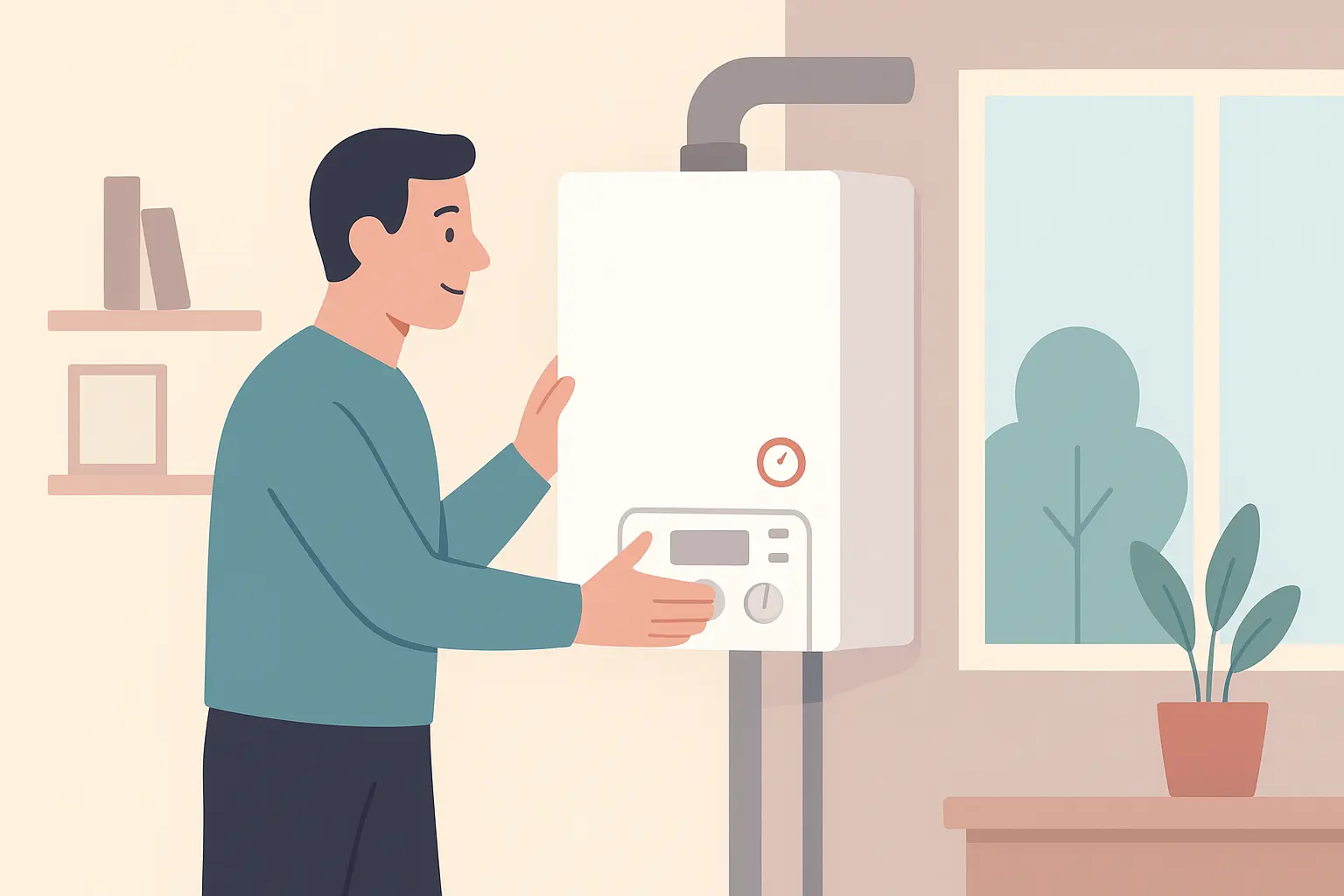
Understanding Oil Boiler Installation Rules in the UK
Oil boilers are common in rural parts of Surrey and West Sussex where there’s no mains gas. I see them regularly in places like Newdigate, Rusper and Ockley, especially in older cottages and farm conversions.
From a legal point of view, there are two separate things to think about:
- Planning permission, which looks at how changes affect the external appearance of a property or the surrounding area
- Building Regulations, which cover safety, efficiency and correct installation
They’re often confused, but they’re not the same. Even if planning permission isn’t required, Building Regulations always apply.
Do You Need Planning Permission for an Oil Boiler?
In most cases, installing or replacing an oil boiler falls under permitted development. That means you do not need to apply for planning permission, as long as certain conditions are met.
If you’re simply swapping an old oil boiler for a new one in roughly the same position, whether that’s indoors or externally mounted, planning permission is almost never required.
External oil boilers and oil storage tanks are usually fine too, provided they meet size and placement guidelines. For example, they must be:
- Installed at ground level
- Within specific size limits
- Positioned a suitable distance from boundaries and neighbouring properties
Most standard domestic installations tick these boxes without any issue. In day to day work, we rarely come across a straightforward replacement that needs formal planning approval.
When Planning Permission May Be Required
There are situations where you do need to pause and check with your local planning authority.
Listed buildings
If your home is listed, internal and external alterations can require Listed Building Consent. Even moving a flue or adding an external boiler could fall into this category. I’ve worked on a few listed farmhouses where the positioning had to be carefully agreed in advance.
Conservation areas
In conservation areas, the rules can be tighter, particularly if the boiler or flue will be visible from the road. It does not automatically mean you cannot install one, but it’s wise to check first.
Significant changes to the exterior
If you are siting a large external boiler or oil tank at the front of the property or very close to a boundary, that can sometimes trigger planning considerations.
When in doubt, a quick call to your local council planning department can save a lot of stress later. It’s far better to confirm beforehand than to deal with enforcement letters after the fact.
Building Regulations and Compliance Requirements
Even when planning permission is not required, your oil boiler installation must comply with UK Building Regulations.
This covers things such as:
- Correct flue positioning and clearances
- Ventilation
- Fire safety distances from combustibles
- Oil tank installation and separation from buildings and boundaries
- System efficiency and controls
Oil boiler installations must be carried out by a competent person, typically registered with OFTEC. When properly installed, the work is self-certified and you receive documentation for compliance. Keep hold of that paperwork. It will be needed if you sell your home.
I’ve met homeowners who had older systems fitted years ago without certification. It usually becomes an issue during conveyancing. Sorting it at the time of installation avoids that headache.
Choosing the Right Location for Your Oil Boiler
Location matters, both for compliance and practicality.
Internal oil boilers are often installed in utility rooms, kitchens or garages. They need adequate ventilation and safe flue routing. In cottages around Ockley, low ceilings and thick walls can make flue positioning more interesting than people expect.
External oil boilers are popular because they free up space indoors and reduce noise. They are usually mounted on a concrete base and positioned to meet minimum distance requirements from boundaries and openings such as windows and doors.
Oil tanks also have strict rules about separation distances unless additional fire protection is fitted. For example, a plastic tank generally needs to be at least 1.8 metres from non fire rated buildings and boundaries. There are workarounds using fire rated bases or barriers, but these must be properly designed.
If you are in Newdigate, Rusper or Ockley, properties tend to have more outdoor space, which makes compliant positioning easier. Even so, every plot is different. Trees, slopes and driveways all play a part.
Professional Installation and Final Considerations
Replacing or installing an oil boiler is not just about swapping one box for another. It’s about ensuring the whole system is safe, efficient and legally compliant.
From experience, the most common questions homeowners ask are:
- Can we move the boiler outside to free up space?
- Do we need to upgrade the oil tank as well?
- Will this meet current regulations?
The answer depends on the property and the existing setup. That is why a proper site visit matters. A good installer will assess clearances, check the condition and capacity of the oil tank and confirm whether any planning issues are likely.
If you are unsure where you stand, the safest approach is to get professional advice before committing. For homeowners across the local area, Revive Heating can talk you through what is required and ensure everything is installed in line with current regulations.
Need expert advice or a quote? Contact us today and we’ll be happy to help you figure out the next steps.